Should You Pick Up Dog Poop Before It Rains?
- Yellowstone Pooper Scoopers
- Jun 1
- 4 min read

Taking care of your dog means more than just feeding and playing with them. One important task is cleaning up after your pet, especially before it rains. You might wonder why it matters so much to pick up dog poop before the rain starts. Let’s explore why this simple action makes a big difference for your yard, your neighborhood, and the environment.

Why Pick Up Dog Poop Before It Rains Matters
Protecting the Environment from Harmful Pollution
Dog poop is not just unpleasant to look at or smell. It contains bacteria and parasites like E. coli and Giardia that can be dangerous. When it rains, these harmful germs can wash into storm drains and local waterways. This pollution affects fish, birds, and other wildlife. It can also contaminate water sources that people use for drinking or recreation.
The Environmental Protection Agency (EPA) classifies pet waste as a non-point source pollutant. This means it is one of the many sources that add pollution to water bodies, similar to oil or toxic chemicals. By picking up dog poop before the rain, you help stop these pollutants from entering the water system.
Keeping Your Lawn Healthy and Beautiful
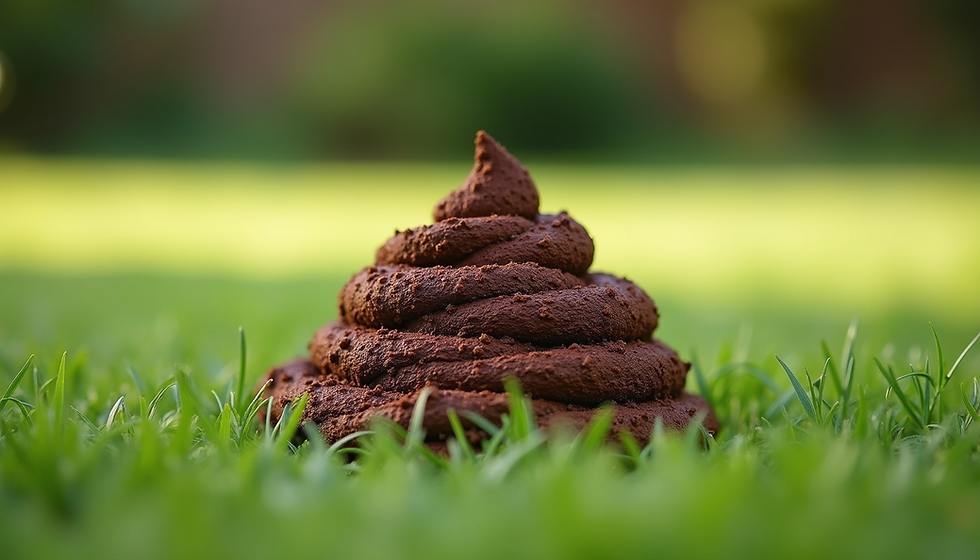
Dog poop left on the grass can damage your lawn. The waste contains nitrogen and other substances that can burn the grass, leaving brown or dead patches. When rain falls on the poop, it breaks down and spreads these harmful substances even more.
Cleaning up before the rain keeps your yard looking fresh and green. It also prevents smelly spots that can make your outdoor space less enjoyable.
Avoiding a Messy Cleanup After Rain
Picking up dog poop after it rains is much harder. Rain softens the waste, making it sticky and messy. You might find it clings to your shoes or tools, which is unpleasant and time-consuming to clean.
By scooping the poop before the rain, you save yourself from this hassle. It’s a quick job that prevents a bigger mess later.
Being a Good Neighbor and Community Member
Many neighborhoods have rules about pet waste. Leaving dog poop on the ground, especially before rain, can cause bad smells and dirty yards. This affects not only your property but also your neighbors’ enjoyment of their outdoor spaces.
Picking up after your dog promptly shows respect for your community. It helps keep the neighborhood clean and welcoming for everyone.

Tools That Make Picking Up Dog Poop Easier
Cleaning up after your dog doesn’t have to be a chore. There are products designed to make the job quick and simple. Here are a few examples that can help you stay ahead of the rain:
Pooper Scooper
A pooper scooper is a handy tool that lets you pick up dog poop without bending over or touching it. Some models have long handles and easy-to-use jaws. This tool keeps your hands clean and speeds up the process.
Biodegradable Dog Waste Bags
These bags are perfect for picking up poop on the go. They break down naturally, so they are better for the environment than regular plastic bags. Carrying a pack with you means you’re always ready to clean up, rain or shine.
Pet Waste Removal Services
If you’re busy or want to avoid the task altogether, professional pet waste removal services can help. They come to your home regularly to clean your yard. This keeps your lawn clean and saves you time.
Using these tools or services can make it easier to keep your yard clean before the rain hits. For example, a pooper scooper combined with biodegradable bags is a great way to quickly pick up waste and dispose of it responsibly.
How Rain Affects Dog Poop and Your Yard
When rain falls on dog poop, it changes how the waste behaves. The moisture breaks down the solid waste, turning it into a mushy mess. This makes it harder to pick up and spreads bacteria over a larger area.
Rainwater also carries the waste into the soil and nearby water sources. This can lead to:
Polluted streams and rivers
Harm to fish and aquatic life
Contaminated drinking water
Unpleasant odors in your yard
By acting before the rain, you stop these problems before they start.

Tips for Managing Dog Waste in All Weather
Here are some simple tips to help you stay on top of dog waste, no matter the weather:
Always carry waste bags when walking your dog.
Use a pooper scooper for quick yard cleanup.
Set a regular schedule to clean your yard, especially before rain is expected.
Consider hiring a local pet waste removal service for convenience.
Dispose of waste properly in trash bins or designated pet waste stations.
These habits keep your yard clean and protect your community’s health.
Why Regular Cleanup Matters Beyond Rain
Even when it’s dry, dog poop can cause problems. It attracts flies and pests, spreads germs, and damages grass. Keeping a regular cleanup routine means your yard stays fresh and safe.
Picking up dog poop before it rains is just one part of good pet care. It shows you care about your dog, your home, and your neighborhood.
Final Thoughts on Picking Up Dog Poop Before It Rains
Taking a few minutes to clean up after your dog before the rain starts makes a big difference. It protects the environment, keeps your lawn healthy, and saves you from a messy cleanup later. Plus, it helps maintain a clean and pleasant neighborhood for everyone.
If you want to make this task easier, consider using a pooper scooper or biodegradable bags. Or, if you prefer, look into local pet waste removal services that can handle the job for you.
By staying on top of pet waste, you help keep Billings, MT, and surrounding areas clean and green. It’s a small effort with a big impact.
Ready to make your yard cleaner and greener? Check out some great tools and services to help you stay ahead of the rain and keep your outdoor space fresh.
Pooper Scooper – Easy tool for quick and clean waste pickup.
Biodegradable Dog Waste Bags – Eco-friendly bags for responsible disposal.
Pet Waste Removal Services – Professional help to keep your yard spotless.
Taking care of your dog’s waste is part of being a responsible pet owner. It’s good for your dog, your home, and your community.
This article is for informational purposes only and does not replace professional advice.
Comments