Why Do Dogs Lick Your Face Understanding the Reasons and When to Worry

Dogs licking your face is a common behavior that many pet owners experience daily. While it might seem like a simple act of affection, there are several reasons behind why dogs lick your face. Understanding these reasons can help you better connect with your furry friend and know when this behavior might signal a problem.
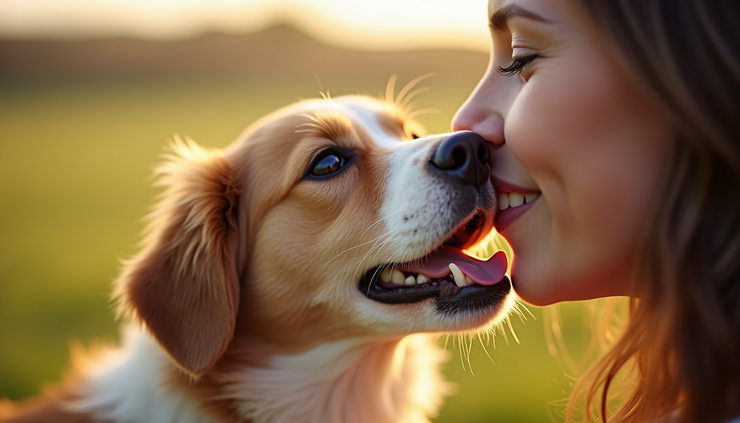
Why Dogs Lick Your Face
Attention-Seeking and Bonding
One of the main reasons dogs lick your face is to get your attention and strengthen the bond between you. Dogs are social animals that use licking as a way to communicate affection and trust. When your dog licks your face, it is often their way of saying they want to be close to you or that they enjoy your company.
This behavior is similar to how puppies lick their mother and littermates to show submission and affection. As your dog grows, licking becomes a way to maintain social bonds with you, their human family member.
Instinctual Behavior from Puppyhood
Licking is an instinctive behavior that starts early in a dog's life. Puppies lick their mother’s face to stimulate her to regurgitate food for them. This natural behavior carries over into adulthood as a way to express care and connection.
Even adult dogs retain this instinct, so when your dog licks your face, it may be a leftover habit from their early days. This instinct helps dogs feel secure and connected to their pack, which now includes you.
Emotional Regulation and Information Gathering
Dogs use licking to regulate their emotions and gather information about their environment. When a dog licks your face, they are not only showing affection but also learning about your mood and health through taste and smell.
Licking releases endorphins in dogs, which helps calm them down. If your dog is feeling anxious or stressed, licking your face might be their way of soothing themselves while also checking in on you.
The Appeal of Human Scents
Your skin carries many interesting scents for your dog. Sweat, lotions, and natural oils all attract dogs because they provide information about you. Your face, in particular, has a variety of smells that dogs find appealing.
Dogs have an extraordinary sense of smell, and licking your face allows them to explore these scents more closely. This behavior is a way for dogs to feel connected and understand their environment better.
When Licking Might Indicate a Problem
While licking is usually harmless and affectionate, excessive licking can sometimes point to underlying issues.
Allergies or Skin Irritations
If your dog suddenly starts licking your face more than usual, it could be a sign of allergies or skin irritation. Dogs might lick areas that feel itchy or uncomfortable, and if your face has residues of something irritating to your dog, they might focus their licking there.
Anxiety or Stress
Excessive licking can also be a sign of anxiety or stress in dogs. Dogs that feel nervous or insecure may lick compulsively as a coping mechanism. If your dog’s licking seems obsessive or is accompanied by other signs of anxiety, such as pacing or whining, it might be time to consult a vet or animal behaviorist.
When to Consult a Vet
If your dog’s licking behavior changes suddenly, becomes excessive, or is paired with other symptoms like redness, swelling, or changes in appetite, it’s important to seek veterinary advice. A vet can help determine if there is a medical or behavioral cause that needs treatment.
Safety Concerns About Face Licking
While many people enjoy their dog’s affectionate licks, there are safety considerations to keep in mind.
Risks for Children and Immunocompromised Individuals
Face licking can transfer bacteria and parasites from dogs to humans. For healthy adults, this risk is usually low, but for young children, elderly people, or those with weakened immune systems, it can pose health concerns.
Children’s immune systems are still developing, and they are more vulnerable to infections. Immunocompromised individuals may also be at higher risk of illness from bacteria commonly found in dog saliva.
How to Minimize Risks
Avoid letting dogs lick open wounds or broken skin.
Wash your face after being licked, especially if you have sensitive skin.
Keep your dog’s vaccinations and parasite prevention up to date.
Teach children to avoid close face contact with dogs, especially if the dog is not their own.
Tips to Discourage Unwanted Licking
If your dog’s licking becomes too much or happens at inappropriate times, you can gently discourage the behavior.
Redirect Attention: Offer a toy or treat when your dog starts licking to shift their focus.
Use Commands: Teach simple commands like “no lick” or “stop” and reward your dog when they obey.
Ignore the Behavior: Sometimes, not reacting to licking can reduce the behavior because dogs often lick to get attention.
Provide Plenty of Exercise: A tired dog is less likely to lick out of boredom or anxiety.
Consult a Trainer: If licking is persistent and problematic, a professional trainer or behaviorist can offer personalized strategies.


Comments